
 Myola Woods
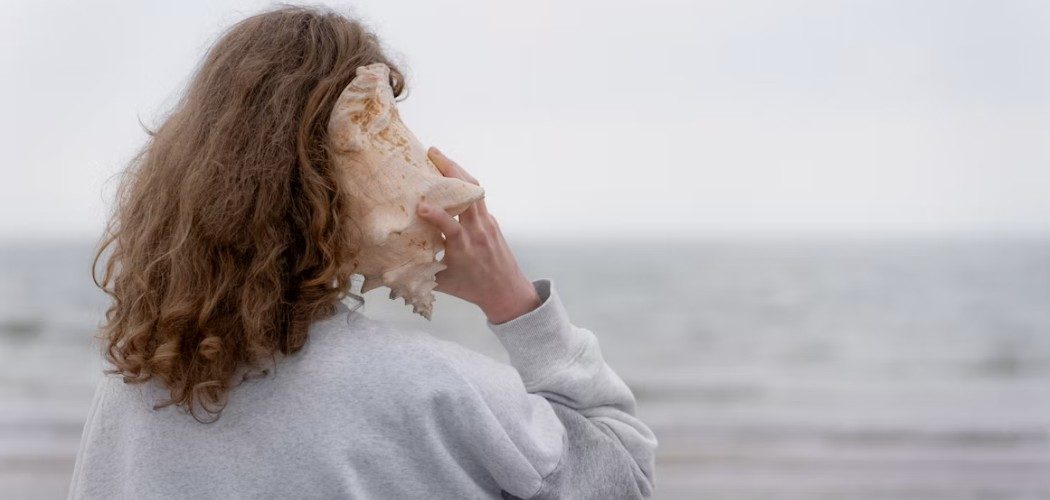
When do you listen to your body?
Our bodies speak in sensations and impulses. I need to stretch. I’m hungry. I want to sit over there. I need some air. I want to move. I don’t want to be touched right now.
Have you noticed which impulses you follow — and which ones you dismiss?
When it comes to body literacy, many of us are beginners.
For a long time, we’ve privileged the mind: thinking, knowing, analysing, achieving. We override tiredness because there is work to finish. Wear the clothes that look right rather than those that feel good. Stay in the conversation when our body wants to leave. Sit still when something in us wants to move.
Eventually, we can become so practised at overriding the body that we stop noticing its quieter voice.
The body rarely begins by shouting. It whispers.
A tightening. A flutter. Warmth. Heaviness. A pulling away. A leaning towards. A sense of yes. A quiet not this.
Developing body literacy means learning to hear these signals again. Through stillness, movement, breath, connection and creating enough safety to notice, we can become curious about what our body is communicating.
And importantly, listening doesn’t mean blindly following every impulse. It means noticing it, becoming curious about it and developing the discernment to choose how we respond.
Sometimes the simplest impulses are wonderful places to practise.
Take your shoes off. Stretch. Go outside. Move your hips. Sit beneath a tree. Wear something because of how your body feels in it rather than how you think you should look.
Nature can make this easier.
Amongst trees, birds, wind and uneven ground, there is less invitation to perform and more invitation to experience. A tree doesn’t question whether its shape is acceptable. A bird doesn’t apologise for its song. The earth doesn’t ask us to achieve anything before it holds us.
When we give ourselves that same permission, something changes.
We begin building trust with our bodies. One small moment of listening creates another. With trust can come greater confidence, authenticity and freedom. We may discover more access to movement, creativity, sensuality, connection and pleasure.
And this matters in our relationships too.
If we cannot recognise our body’s yes, no, enough, more, slower, closer or I need space in everyday life, how can we expect ourselves to suddenly know these things in intimacy?
Body-led living isn’t about abandoning thought. Our minds are extraordinary. It is about allowing the intelligence of the body back into the conversation.
Try it today.
Become still for a moment. Breathe. Notice.
Before asking, What should I do?, try asking:
What is my body telling me?
Then wait long enough to hear the answer.
If you’re curious about what it might mean to become more connected to your body, its signals and its wisdom, this is the work I explore with individuals and couples. You’re welcome to explore more or book a conversation with me at www.eroticcoaching.com.au, or connect with me on Instagram.
—
Myola Violet Woods
M: 0423 919 270
 Gerard Bini
 Marion Hutton



Beautifully written Myola ❤️ so true..
Thank you Kristy 💚 glad it resonated ✨
Oh, this is so true. To honour our senses and follow their wisdom, beautiful. Thanks for reminding me. Great article, thanks for your wisdom Myola.
Thanks Deb, appreciate you taking the time to give me some feedback 💜