

 Eleni Seitis
Have you ever woken in the morning and felt sluggish, bloated or full of fluid and your brain feels like mush? Or maybe you have had recent surgery and the area around the surgical site is full of fluid. Perhaps you have had a recent illness and still have some inflammation and pain. All these conditions can be relieved or at least have the symptoms reduced by having a lymphatic drainage massage.
Have you ever heard of lymphatic drainage massage? Before we get into what lymphatic drainage massage is, let’s talk about what the lymphatic system is and how it works in the human body to help detoxify you. The lymphatic system is a network of lymphatic vessels containing lymph fluid, lymph nodes, the spleen and thymus. The function of the lymphatic system is to increase the flow of fluids from body tissues to the blood, transport hormones, nutrients and waste products from tissues into the bloodstream and defend the body from infection and disease via white blood cells or lymphocytes, which are produced, maintained and distributed from the lymph nodes. Lymph is a viscous fluid that moves slowly through the lymphatic vessels, requiring movement of muscles, action of the diaphragm and pressure generated by fluid moving through the lymph capillaries.
The cellular matrix (the space between cells) is the scaffolding that allows interstitial fluid (cellular fluids) to move into and out of cells, allowing for optimum delivery of nutrients and removal of waste products. When there is a lack of mobility due to a sedentary lifestyle, confinement to a bed or a wheelchair, pain or paralysis, the flow of lymph fluid is seriously compromised and fluid retention (edema or more seriously, lymphodema from cancer treatments), inflammation (due to a build-up of pathogens, abnormal cells or foreign material) and pain (from inflammation or restriction of the soft tissues) ensue.
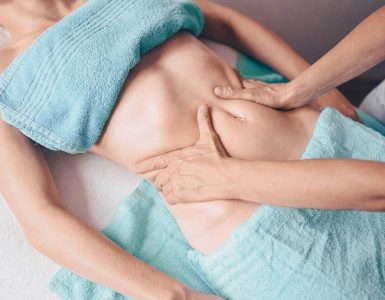
Lymphatic drainage massage uses specially chosen massage techniques particularly effleurage (a sliding and gliding movement over the skin in one continuous motion towards the head) and petrissage (a lifting, squeezing or rolling of soft tissue in a kneading motion using the hands or fingertips), along with specialised lymphatic facilitation techniques to effectively move the lymph fluid through the lymph capillaries. The light pressure (considered to be the same pressure you would use to move the skin on your eyelid) of the massage movements over the body assist the general lymphatic flow of the lymph fluid towards the veins on the right and left sides of the body in order for the fluid to be transported to the kidneys and liver for filtering before being excreted from the body. This is a very gentle massage. Exercise can also influence the flow of the lymph fluid through the lymph vessels up to 10 times. For those that have sedentary lifestyles or are bed-bound, gentle movements of the limbs (either active or passive) will help facilitate lymph flow. For active people, both gentle and active exercise will certainly get the lymphatic system flowing. This massage is recommended for:
– those in need of a full body detoxification or are engaging in a detox period.
– those with puffy, swollen tissues.
– those with a sluggish internal system.
– those in need of boosting their immune system.
– those with lymphedema.
– those wanting to treat their excessive cellulite.
– those with poor circulation throughout the body.
– those that have had recent surgery and developed swelling.
It is advised that you drink plenty of water after your treatment to help flush out toxins, and avoid smoking, alcohol, processed foods and other inhibitors to the detoxification process.
Book a session at: www.oasishealthcentres.com.au/lymphatic-drainage/
 Kristy Burnett
 Chris and Shveta





Add comment