
 Sarah Murray-Boyd
What if the beginning and end of each day could become an opportunity to pause, reset and reconnect with yourself?
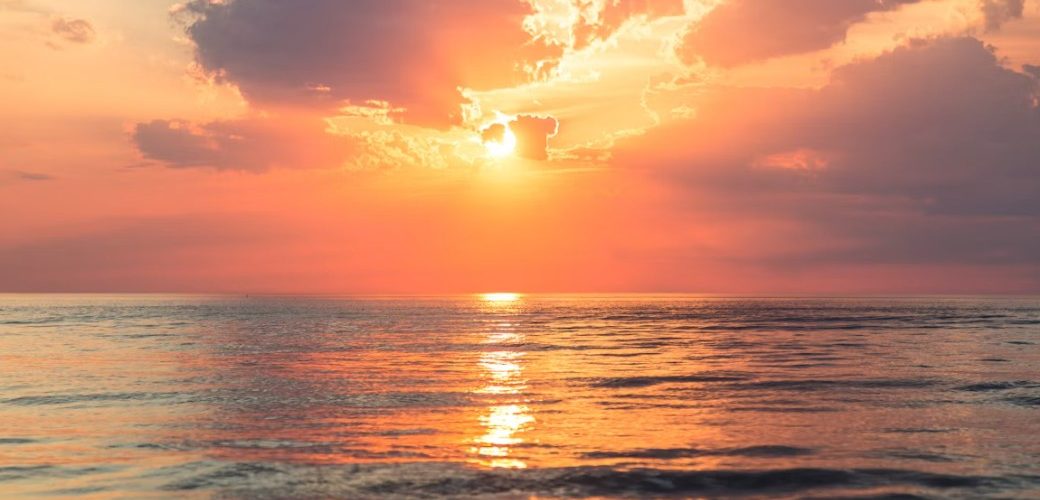
Nature gives us two beautiful transitions to do just that. Sunrise and sunset mark the shift between darkness and light, offering moments to step out of autopilot and pay attention to what is happening within and around us.
I don’t know about you, but I often move from one thing to the next without pausing. I jump between work, parenting and chores, while also trying to fit in exercise, socialising and study. As the days get longer and daylight saving begins, I am really looking forward to the evening light stretching a little further into my life.
From a nature therapy perspective, sunrise and sunset are an invitation to notice the natural rhythm of life — activity and rest, beginning and ending. They give us space to change gears, create closure, reflect and approach what comes next with greater intention.
Here are four simple ways I use to pause, connect and work with sunrise and sunset.
Sunrise
Each morning offers an opportunity to begin again and invites renewal and possibility.
Meet the morning
Observe the changing light and spend five minutes exploring what is happening around you. Watch colours and shadows change. Listen to morning sounds. Feel the temperature of the air as it shifts. There is nothing to achieve — simply notice.
This practice encourages you to slow down enough to really arrive in the day, moving your focus from what do I have to do? — which is very mind-based — to what is happening now? — something experienced through your senses.
Choose a word
As the sun rises, choose one word you’d like to carry with you through the day — curious, steady, brave, playful or maybe open. Think of it as a touchstone, not a goal or task.
This practice creates a moment to consider how you want to approach the day and what qualities you want to bring to the people and situations you encounter.
Sunset
The fading light in the evening offers an opportunity for reflection, release and closure.
Leave it with the day
As the sun sets, think about something you want to put down — a frustration, unfinished task, difficult conversation or expectation. Acknowledge that it is there without needing to solve it. As darkness arrives, imagine it fading along with the light.
This practice creates a sense of separation between what happened today and what comes next, rather than allowing the day’s stresses to follow you into the evening or beyond.
Stay for the afterglow
Instead of the sunset itself, watch what happens after the sun disappears. The sky can hold onto the light long after the sun has dropped below the horizon, with colours lingering and deepening before they fade altogether. Sit with this in-between moment.
After any significant change, there is a period where what was is still present, while what comes next has not yet taken shape. The afterglow reminds us that endings are rarely instant, and that there can be value in allowing ourselves time to adjust and reflect as the next chapter emerges.
What I love about these practices is that they don’t need a spectacular sunrise, an uninterrupted sunset or hours in nature. They can be done from a balcony, in a garden, on a local trail while walking the dog, or even through your kitchen window.
Sunrise and sunset remind us that beginnings and endings are part of the natural rhythm of life. We don’t always get to choose when change happens, but we can choose to pause at the threshold, acknowledge where we are, decide what we want to carry forward, and let go of what we are ready to release.
——————–
Want to connect more deeply with the sunrise?
Join Sarah for an early morning Meditation in Nature session at Mulligans Flat Woodland Sanctuary. This beautiful mid-week reset combines a short mindful walk, guided outdoor meditation and optional reflection practice. Sessions held Wednesdays 7-8am. Coffee, tea and breakfast available at Café Kodo afterwards.
Bookings via her website – latitude55.com.au.
Or learn more about nature therapy on Sarah’s Facebook, Instagram, and her articles and notes on Substack.
——————–

 Kristy Burnett
 Chris and Shveta




Add comment